
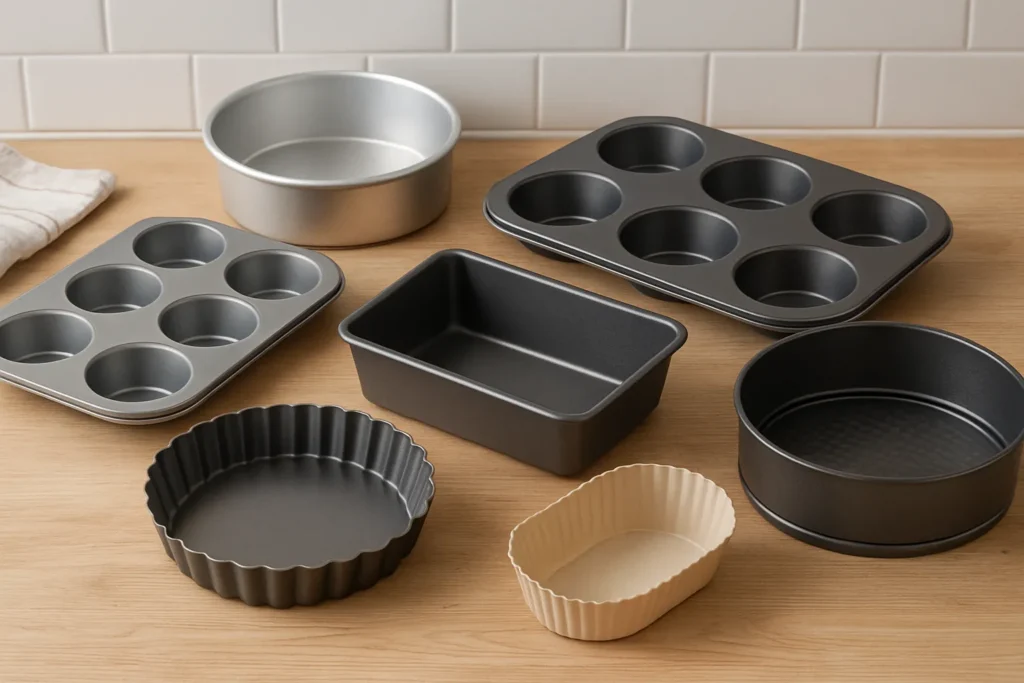
Choosing Baking Molds: A Beginner’s Guide to Types and Uses
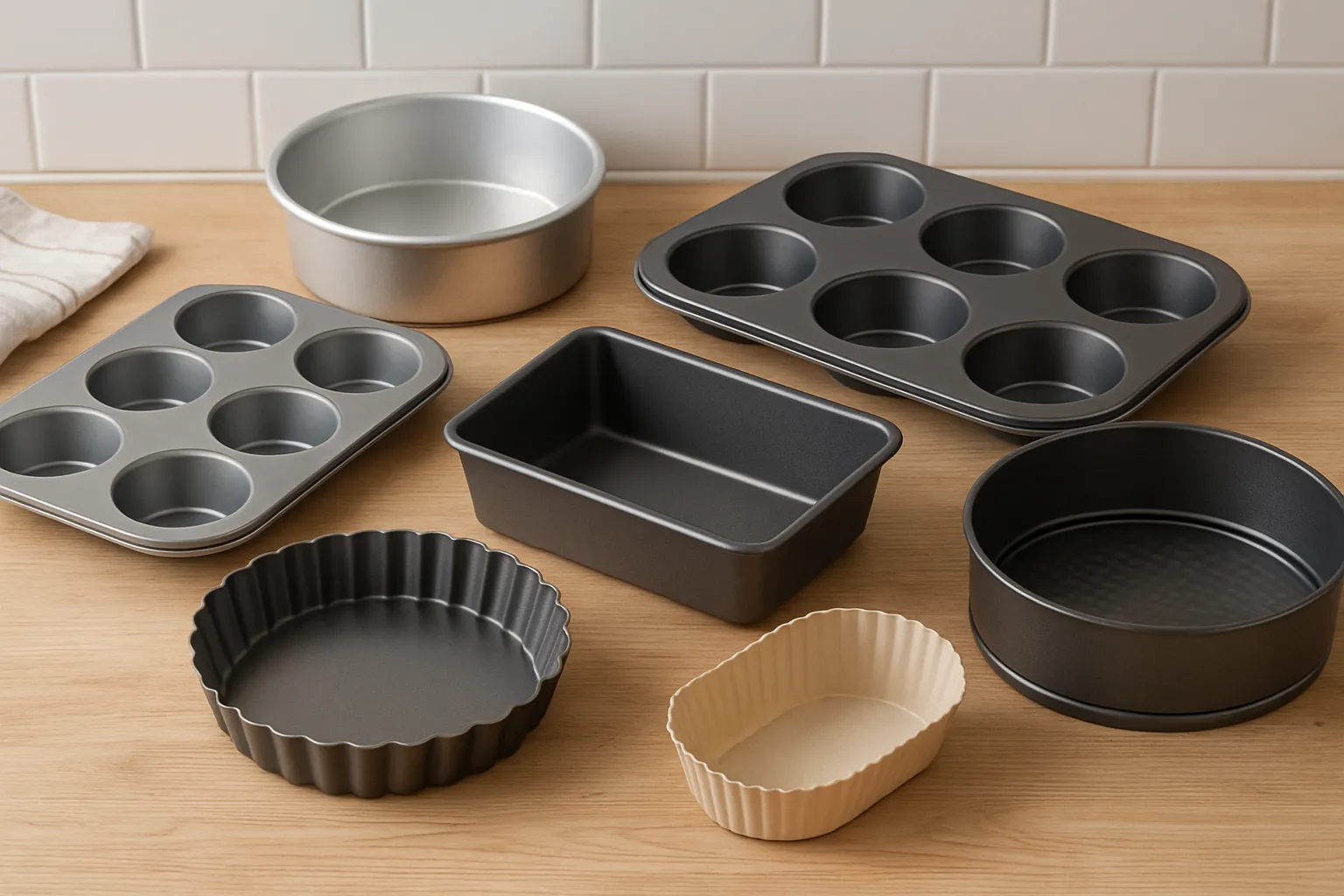
Selecting the appropriate baking mold is crucial for achieving optimal baking results, particularly for beginners. Understanding the unique properties of various molds—such as silicone, metal, and glass—is essential for successful baking. Silicone molds are flexible and easy to clean, while metal pans provide better heat conduction for achieving a perfect crust.
This guide outlines various baking mold types and offers practical advice for choosing the right one for your baking projects. Common pitfalls await those who rush into baking without understanding their materials, such as choosing the wrong mold for a recipe or not preparing the mold properly. By following the steps outlined here, you will gain confidence in your baking endeavors and avoid mistakes that could lead to disappointing results.
Understanding Baking Molds: Types and Their Uses
The three main types of baking molds are silicone, metal, and glass, each offering unique benefits suited to different recipes and baking styles.
Silicone Molds: Flexible and non-stick, ideal for delicate baked goods like soufflés and cakes. However, they can lead to uneven baking due to poor heat conduction, so place them on a baking sheet for stability.
Metal Molds: Including aluminum and stainless steel, these are durable and provide excellent heat conductivity, suitable for baking bread and pastries. They may require greasing to prevent sticking, and dark-colored pans can cause over-browning.
Glass Molds: Valuable for recipes requiring slow, even cooking, like casseroles. They allow easy monitoring of browning but can crack due to thermal shock; avoid sudden temperature changes.
Consider the recipe requirements and the desired texture when selecting a mold. For instance, a springform pan is great for cheesecakes, allowing easy removal without damage.
Step-by-Step Guide to Choosing the Right Baking Mold
1. Evaluate Your Recipe Examine the recipe for specific mold types, such as loaf pans for bread or muffin tins for individual portions. Using the wrong mold can lead to uneven baking.
2. Consider Material Choose based on your comfort level and the type of baked item. Metal molds provide even heat distribution, while silicone molds offer flexibility for easy release.
3. Assess Size and Shape A standard 9-inch round cake pan may yield different results than a 10-inch pan. Measure your mold to ensure compatibility with the recipe.
4. Think About the Finish Non-stick coatings simplify release but require care to maintain. Consider parchment paper lining for easier removal without damaging the mold.
5. Plan for Cleanup Choose a mold that fits your cleaning preferences. Silicone molds are often easy to clean, while metal molds may require more care.
Common Mistakes to Avoid When Using Baking Molds
Beginners often encounter pitfalls that can affect baking results. Common mistakes include improper greasing, failure to preheat the oven, and inadequate cleaning methods.
Failing to grease or line the mold correctly can result in baked goods sticking. Use butter or non-stick spray, and consider lining with parchment paper. Temperature control is critical; always preheat your oven to ensure even baking.
Cleaning mistakes can also lead to future failures. Avoid abrasive sponges on non-stick molds, and use gentle cleaning methods instead.
Comparative Analysis of Popular Baking Molds
Recognizing the advantages and disadvantages of each mold type is essential for successful baking. Below is a comparison of the different baking molds:
1. Silicone Molds Pros: Flexible, non-stick, easy to clean. Cons: May require extra cooling time and can be challenging to transfer from the oven.
2. Metal Pans Pros: Excellent heat conduction ensures even baking. Cons: Can warp with extreme temperature changes and may require greasing.
3. Glass Bakeware Pros: Non-reactive and allows easy monitoring of baking. Cons: Heavier and prone to breakage from sudden temperature changes.
4. Ceramic Molds Pros: Aesthetic appeal and excellent heat retention. Cons: More fragile and can chip.
5. Disposable Aluminum Molds Pros: Convenient for single-use and easy cleanup. Cons: Can lead to uneven baking.
Frequently Asked Questions About Baking Molds
What are the best materials for baking molds? Each material—silicone, metal, and glass—has its own unique benefits. Silicone is flexible and easy to clean, metal heats evenly, and glass allows for visible progress.
How do I care for my baking molds? Follow the manufacturer’s instructions, avoid abrasive cleaners, and store them properly.
What mistakes should I avoid? Not preheating the oven and using the wrong size mold can lead to poor results. Always check your recipe for recommendations.
Can I use baking molds for recipes not specified? While many molds can serve multiple purposes, certain recipes are designed for specific materials. Always consider the material’s heat tolerance.
Do certain molds work better for specific baked goods? Yes, some molds perform better with specific items, like bundt pans for cakes.