
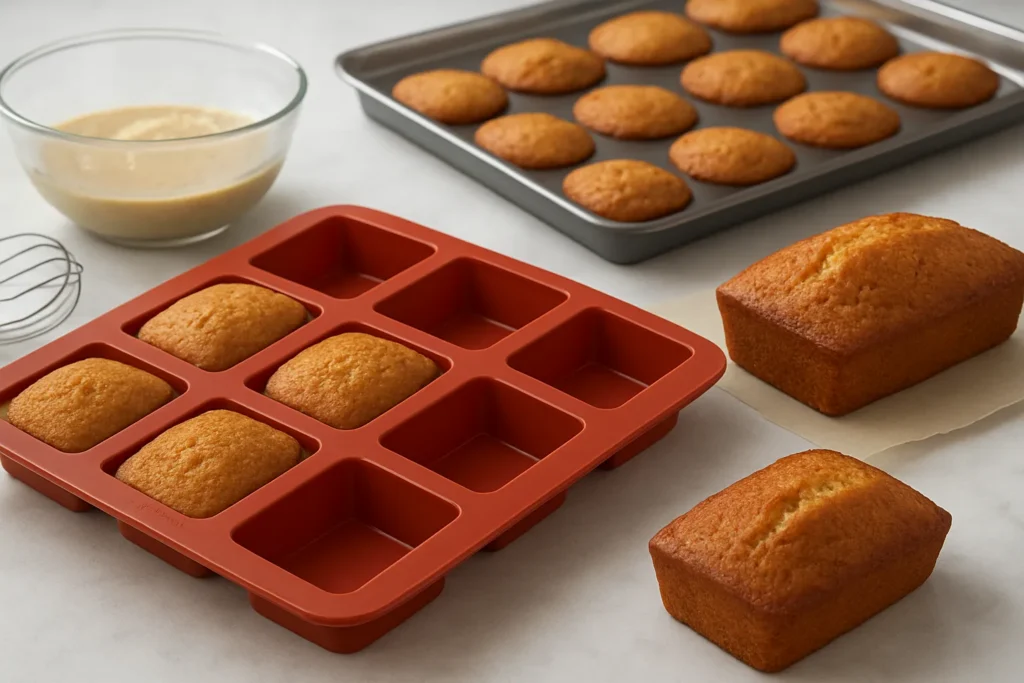
The Benefits of Food Grade Silicone Molds in Commercial Baking
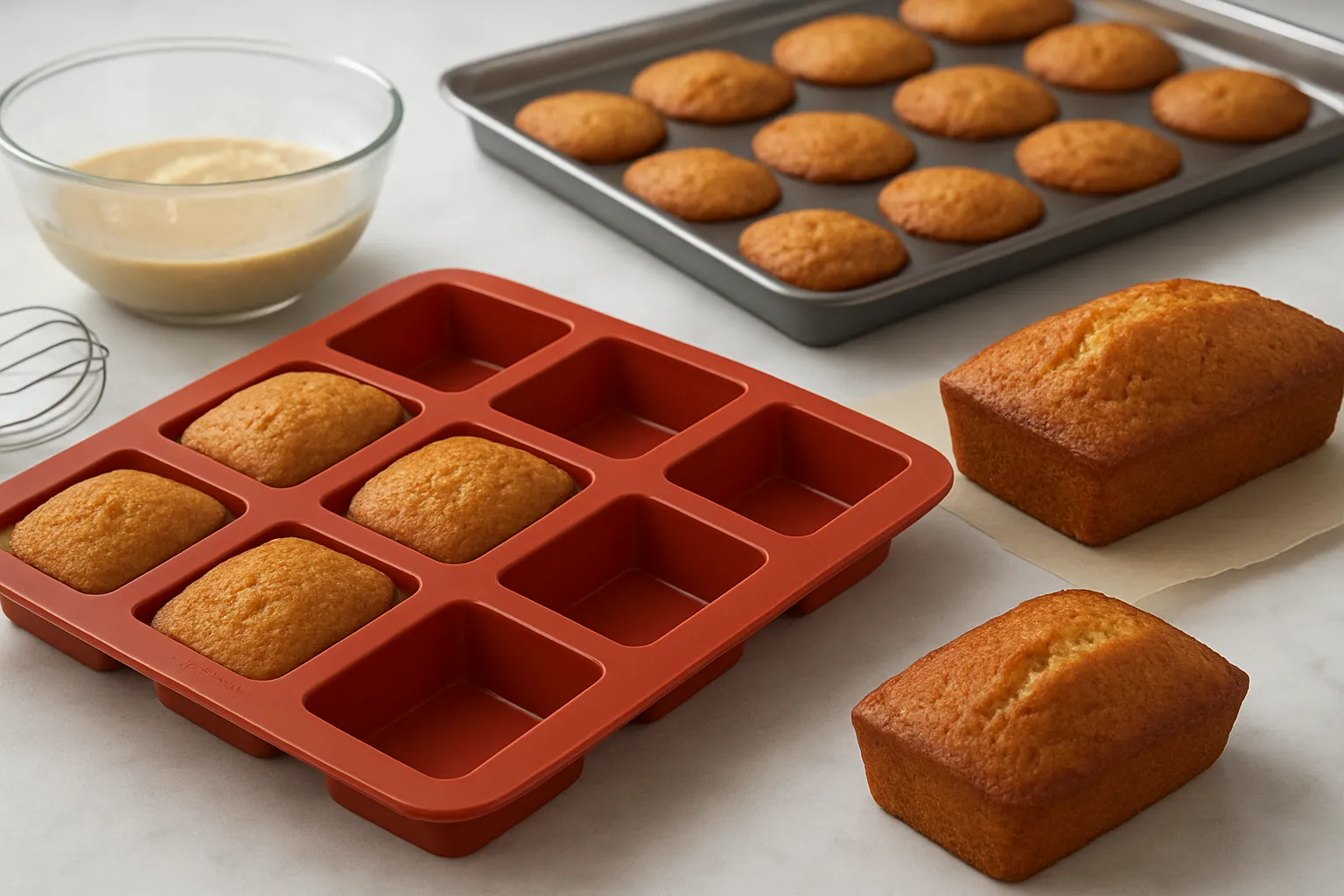
Food grade silicone molds have truly transformed the landscape of commercial baking, presenting numerous advantages that traditional tools often fail to deliver. Constructed from high-quality silicone that adheres to strict safety regulations, these molds are built to endure the demands of a bustling bakery environment. Given the increasing need for innovative baking solutions, it is vital for businesses to comprehend the benefits of food grade silicone molds. These molds can significantly improve production efficiency and product quality.
Specifications of Food Grade Silicone Molds
When selecting silicone baking tools, it is essential to examine their specifications to ensure they meet necessary safety and performance standards. Food grade silicone molds are crafted from silicone that complies with FDA and LFGB material safety regulations, ensuring they are free from harmful chemicals and safe for food contact.
One of the most impressive features of these molds is their remarkable heat resistance, capable of withstanding temperatures from -40°F to 450°F (-40°C to 232°C). This durability guarantees that they maintain their shape and functionality even under extreme baking conditions. Additionally, their non-stick properties not only facilitate easy release of baked goods but also minimize the need for extra greasing, making them a healthier choice for bakers.
Use Cases in Commercial Baking
The versatility of food grade silicone molds makes them perfect for a variety of applications in commercial baking. For instance, in muffin and cupcake production, these molds ensure uniform baking and allow for easy removal. This significantly reduces the risk of damaging delicate pastries. Their flexibility means that even the most intricate designs can be achieved without compromising the structural integrity of the baked goods.
In cake and pastry molding, silicone molds offer an excellent solution for creating elaborate shapes and designs. This enables bakers to present unique products that draw in customers. Moreover, when it comes to chocolate and candy making, silicone molds are invaluable as they allow for precise shaping and easy demolding, which is essential for high-quality confectionery production.
Comparisons with Traditional Baking Tools
When we compare silicone molds to traditional metal pans, several advantages stand out. For one, silicone molds are significantly lighter, making them easier to handle and transport in a busy kitchen. Additionally, they often prove to be more cost-effective over time, as their durability reduces the frequency of replacements.
Ease of use is another critical factor; silicone molds can be placed directly in the oven without the need for preheating. Their non-stick surfaces simplify the cleaning process. Unlike metal pans, which may require scrubbing and soaking, silicone molds can typically be cleaned with a simple rinse or even in a dishwasher. This saves precious time for bustling baking operations.
Sourcing Food Grade Silicone Molds
For businesses eager to incorporate food grade silicone molds into their baking processes, sourcing from reputable suppliers and manufacturers is vital. Key suppliers usually offer a variety of options, from standard molds to custom designs, catering to diverse baking needs.
Certification and quality assurance are critical when choosing silicone molds, as they guarantee compliance with safety standards. Companies should also consider bulk purchasing options, as this can lead to significant cost savings and ensure a reliable supply of molds for their operations. For more information on the types of molds available, you can check out Choosing Baking Molds: A Beginner’s Guide to Types and Uses.
Implementation in Baking Operations
Successfully integrating food grade silicone molds into baking operations necessitates proper training for staff on their usage. Understanding the unique properties of silicone molds, such as their heat retention and flexibility, can enhance the overall baking process.
Furthermore, integrating these molds with existing equipment like ovens and mixers should be seamless, as they are designed to work well within standard baking environments. Maintenance tips, such as avoiding sharp utensils that could damage the molds and proper storage practices, will extend the lifespan of silicone tools and maintain their performance.
Frequently Asked Questions
Are Food Grade Silicone Molds Safe?
Yes, food grade silicone molds are safe for baking as they comply with strict safety standards, ensuring they do not leach harmful chemicals into food.
How to Choose the Right Silicone Mold?
When selecting a silicone mold, consider the type of baked goods you plan to produce, the size and shape of the mold, and the heat resistance required for your baking processes. For additional tips, refer to Baking Silicone Cake Molds: Essential Tips.
Can Silicone Molds Affect Baking Times?
Silicone molds may slightly alter baking times due to their heat retention properties. It is advisable to monitor baked goods closely and adjust baking times as needed.
Conclusion
In conclusion, food grade silicone molds signify a substantial advancement in commercial baking, providing safety, versatility, and efficiency. Their unique specifications and practical applications render them an essential tool for bakers looking to enhance their product offerings and streamline their operations. By comprehending the benefits and best practices for utilizing silicone baking tools, businesses can position themselves for success in the competitive baking industry. For more insights, check out this industry reference on food grade silicone molds.