
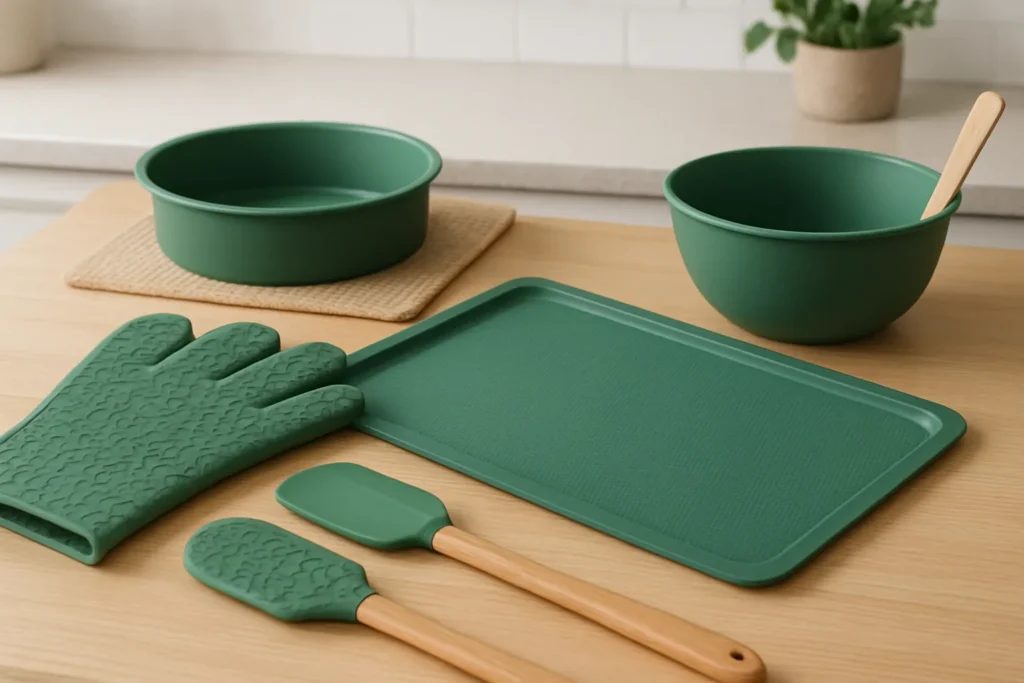
Introduction to Eco-Friendly Silicone Products for Sustainable Cooking and Baking
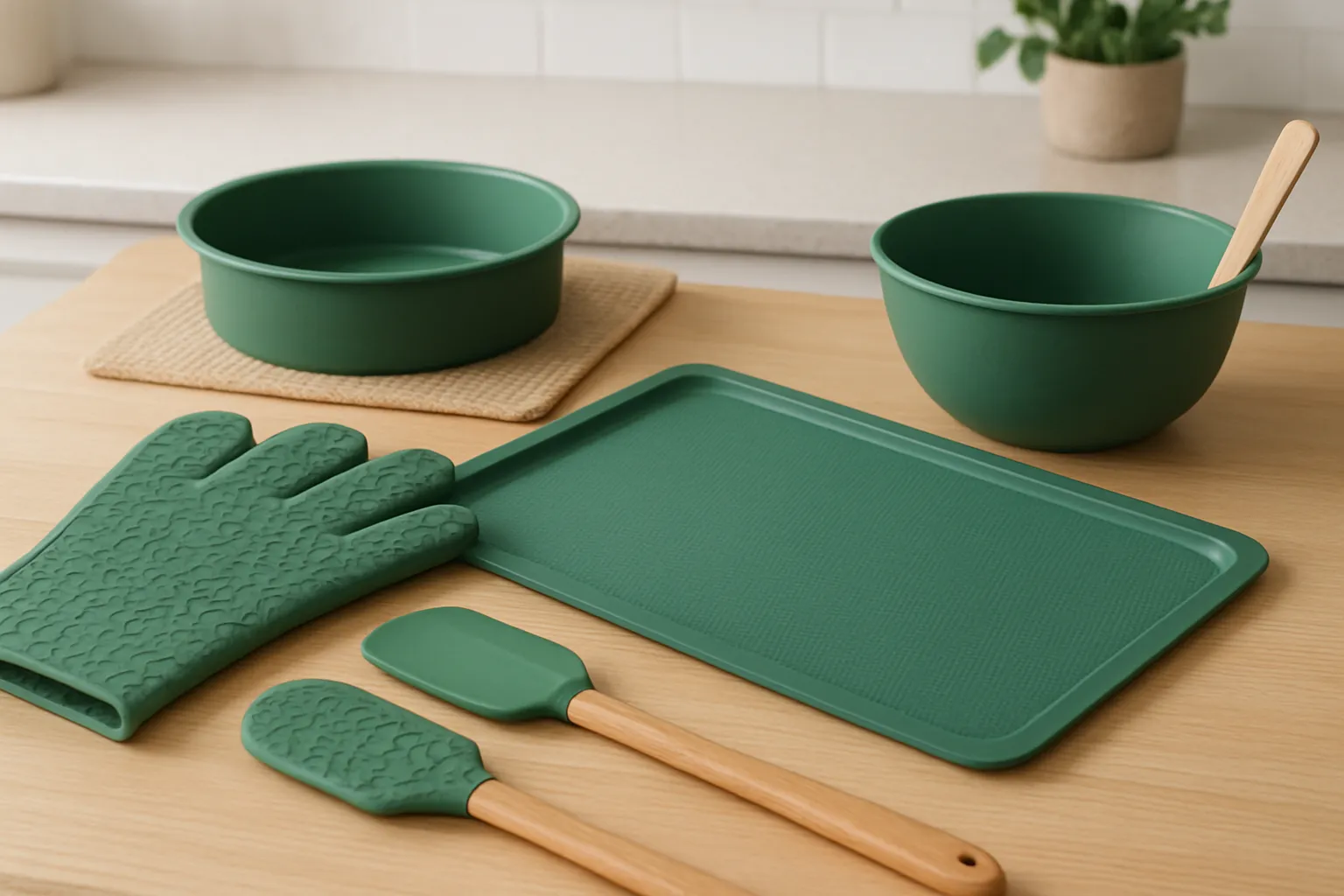
In recent years, the demand for sustainable products has significantly increased across various sectors, especially within the food industry. Eco-friendly silicone products, particularly silicone baking sheets, have become a favored choice for businesses aiming to minimize their environmental impact while also boosting operational efficiency. Made from high-quality silicone, these eco-friendly products provide a versatile, durable, and safe alternative to traditional materials. From my perspective, embracing eco-friendly silicone products not only promotes sustainability but also resonates with environmentally conscious consumers, enhancing brand loyalty.
Specifications of Eco-Friendly Silicone Products
Eco-friendly silicone products are primarily crafted from food-grade silicone, a synthetic polymer that is both non-toxic and highly durable. Unlike conventional plastics, which can leach harmful substances into food, silicone remains inert and safe for food contact. Many eco-friendly silicone products also adhere to rigorous safety standards, including FDA approval and LFGB certification, which assures businesses that their offerings comply with health regulations and consumer safety expectations. In my experience, these certifications are vital for building trust with customers.
Use Cases for Silicone Baking Sheets
One of the most popular eco-friendly silicone products is silicone baking sheets. These versatile tools are designed for various baking and cooking applications, making them a staple in professional kitchens. Silicone baking sheets provide a non-stick surface, eliminating the need for excessive oil or parchment paper, which promotes healthier cooking practices. Moreover, they can withstand high temperatures, making them suitable for baking, roasting, and even freezing. Explore a variety of silicone baking sheets that can enhance your kitchen operations.
Beyond baking, silicone products also serve as excellent food storage solutions. Their flexibility allows for easy stacking and storage, while their airtight properties help maintain food freshness. This dual functionality makes silicone baking sheets a valuable investment for food businesses aiming to optimize their kitchen operations.
Comparison with Traditional Baking Products
When comparing eco-friendly silicone products to traditional baking materials, the environmental impact is a critical factor. Traditional baking sheets and pans are often made from aluminum or coated with non-stick chemicals that can be detrimental to the environment. In contrast, silicone baking sheets are reusable and can last for years, significantly reducing waste. In my view, this longevity contributes to a lower carbon footprint, making silicone a more sustainable choice.
In terms of performance, silicone baking sheets excel in heat distribution and non-stick capabilities. They are less likely to warp or crack compared to metal or glass alternatives, ensuring consistent baking results. Additionally, their durability means they require less frequent replacement, further enhancing their cost-effectiveness over time.
Sourcing Eco-Friendly Silicone Products
For food businesses looking to incorporate eco-friendly silicone products, sourcing from reputable suppliers is essential. It’s crucial to prioritize suppliers specializing in food-grade silicone who can offer transparency about their manufacturing processes and material sourcing. Evaluating product quality is equally important; businesses should seek products that have received relevant certifications and positive customer reviews. Establishing partnerships with trusted suppliers can ensure a steady supply of high-quality silicone products that meet operational needs. Learn more about our commitment to quality and sustainability.
Implementation in Food Business Operations
Integrating eco-friendly silicone products into existing food business operations requires strategic planning. Businesses should assess their current processes and identify where silicone products can replace less sustainable options. For instance, transitioning to silicone baking sheets can be a straightforward change that enhances both sustainability and efficiency.
Training staff on the proper usage and care of silicone baking sheets is vital for maximizing their benefits. Employees should be educated on the advantages of these products, including their heat resistance and cleaning methods. From what I have seen, proper training can lead to improved adoption rates and ensure that the investment in eco-friendly products yields the desired results.
Frequently Asked Questions
Are Eco-Friendly Silicone Products Cost-Effective?
Yes, while the initial investment in eco-friendly silicone products may be higher than traditional options, their durability and reusability make them cost-effective in the long run. Businesses can save money by reducing waste and minimizing the need for frequent replacements.
How to Care for Silicone Baking Sheets?
Caring for silicone baking sheets is straightforward. They can be washed with warm soapy water or placed in the dishwasher. Avoid using abrasive cleaners or sharp utensils, as these can damage the silicone surface. Proper care will extend the life of the baking sheets and maintain their non-stick properties.
In conclusion, eco-friendly silicone products, particularly silicone baking sheets, represent a sustainable choice for food businesses aiming to enhance their environmental responsibility. With their durability, safety, and versatility, these products not only meet the demands of modern culinary practices but also align with consumer preferences for sustainable options. By sourcing quality products and implementing them effectively, food businesses can significantly contribute to a greener future. For more insights, check out this industry reference on eco-friendly silicone products.