
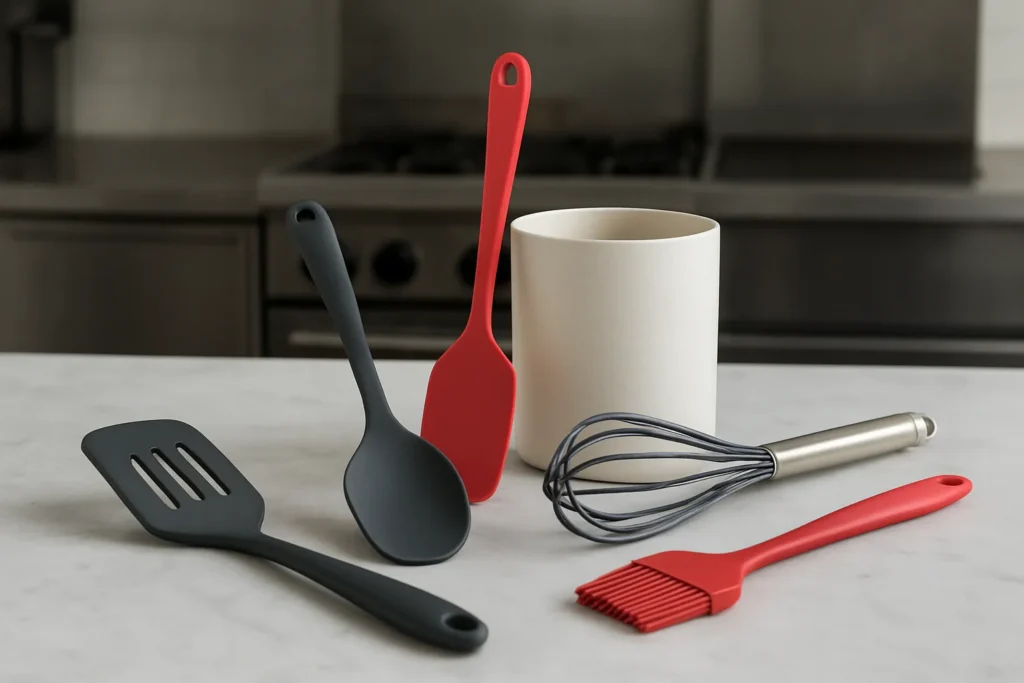
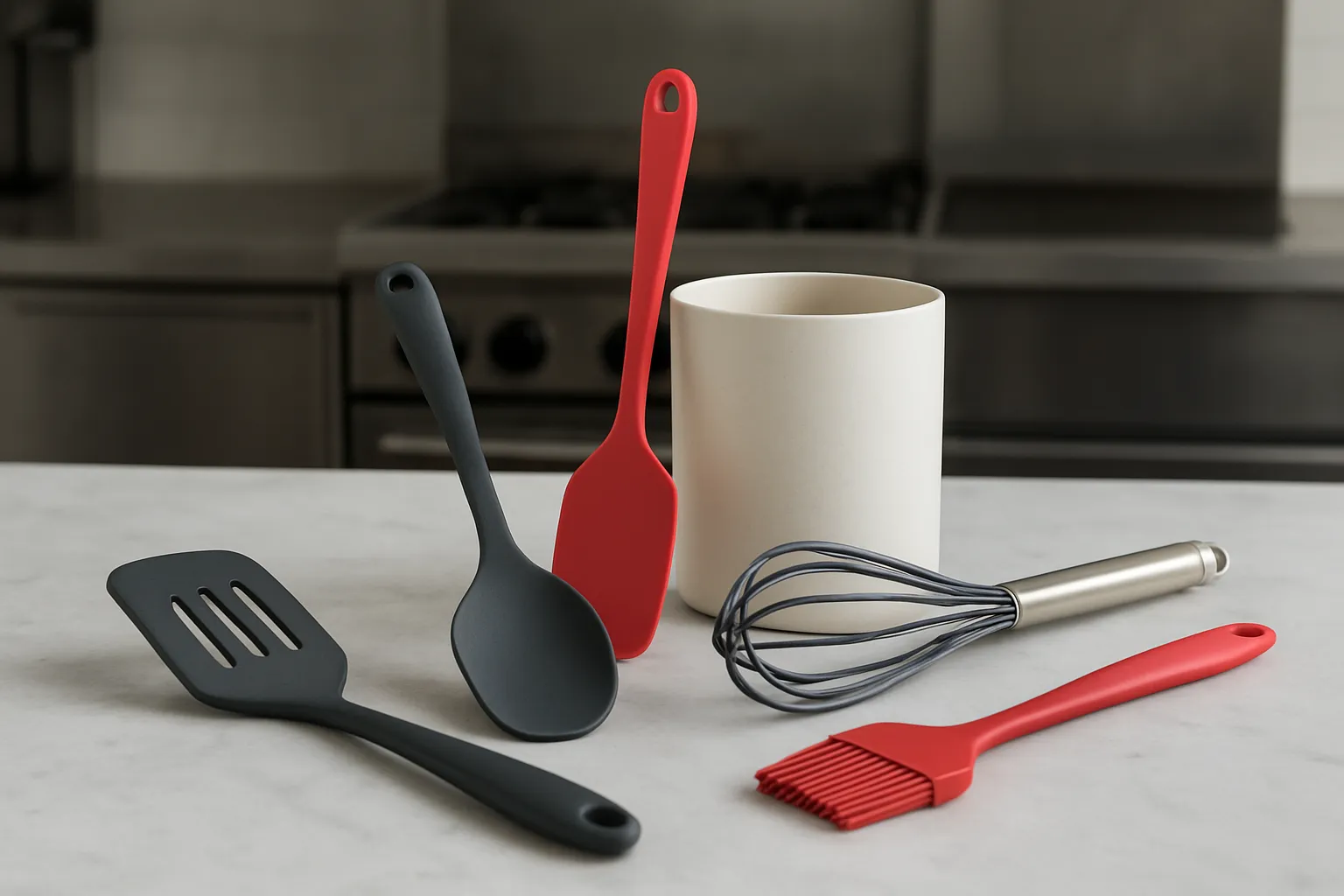
In the fast-paced culinary industry, efficiency and quality are essential. Silicone kitchen tools have become indispensable in restaurant kitchens, offering versatility and durability that traditional tools often lack. In this article, we will delve into the top five silicone kitchen tools every restaurant should consider adding to their culinary operations, emphasizing their benefits and practical applications.
1. What are Silicone Kitchen Tools?
Silicone kitchen tools are utensils and accessories crafted from silicone, a synthetic rubber known for its ability to withstand high temperatures while resisting staining and odor retention. These tools are characterized by their flexibility, non-stick properties, and ease of cleaning, making them a favorite among both professional chefs and home cooks. From my experience, the advantages of using silicone in the kitchen are significant; it can handle extreme temperatures—from freezing to baking—without warping or degrading. This makes it ideal for a variety of culinary applications.
2. Essential Silicone Kitchen Tools
When considering which silicone kitchen tools to invest in, several must-have items stand out:
- Silicone Spatulas: Perfect for mixing, folding, and scraping, these spatulas have flexible edges that allow for thorough mixing without damaging cookware surfaces. I believe they are essential for both delicate and robust mixtures.
- Silicone Baking Mats: A staple in any baking operation, silicone mats provide a non-stick surface that eliminates the need for parchment paper. They ensure even baking and can be reused, making them an eco-friendly choice.
- Silicone Molds: Available in various shapes and sizes, silicone molds are excellent for creating everything from pastries to chocolates. Their flexibility allows for easy release of baked goods, ensuring a perfect shape every time.
- Silicone Whisks: Designed to withstand high temperatures, these whisks are perfect for whisking sauces or batters directly in hot pans. Their silicone-coated wires prevent scratching on non-stick cookware.
- Silicone Utensil Sets: A comprehensive set of silicone tools, including spoons, tongs, and spatulas, can streamline kitchen operations by providing chefs with all the essential tools in one package.
3. Use Cases for Silicone Kitchen Tools
Silicone kitchen tools are incredibly versatile, making them suitable for various applications:
- Baking and Pastry Applications: Silicone baking accessories, such as mats and molds, facilitate the baking process, allowing for better heat distribution and easier cleanup. They are ideal for creating intricate designs in pastries and desserts. For more tips on using silicone molds, check out our essential tips for beginners.
- Cooking and Food Preparation: Silicone spatulas and whisks enhance food preparation by ensuring thorough mixing and easy transfer of ingredients. Their heat resistance makes them suitable for stovetop cooking, where traditional plastic tools might melt.
4. Comparing Silicone Kitchen Tools to Traditional Options
When comparing silicone kitchen tools to traditional metal or plastic options, several factors come into play:
- Pros and Cons of Silicone vs. Metal: Silicone tools are non-stick, heat-resistant, and flexible, but they may not provide the same durability as metal tools for heavy-duty tasks. However, their ability to withstand extreme temperatures without warping makes them superior for many baking and cooking applications.
- Cost-Effectiveness Over Time: While the initial investment in silicone kitchen tools might be higher than traditional options, their longevity and durability often result in cost savings over time. Silicone tools do not require frequent replacement, making them a financially sound choice for restaurants.
5. Sourcing Silicone Kitchen Tools
When sourcing silicone kitchen tools, it is crucial to consider reputable suppliers and brands known for quality and safety standards. Brands like Silpat, OXO, and KitchenAid offer a range of silicone products that are well-regarded in the culinary community. Here are some factors to keep in mind:
- Material Quality: Ensure the silicone is food-grade and free from harmful chemicals like BPA.
- Temperature Tolerance: Verify that the tools can withstand the high temperatures typical in restaurant kitchens.
- Durability: Look for products that come with warranties or guarantees to ensure longevity.
6. Implementation in Restaurant Kitchens
Integrating silicone kitchen tools into restaurant kitchens requires careful planning:
- Best Practices for Integration: Introduce silicone tools gradually, replacing outdated equipment as needed. This approach allows staff to adapt without overwhelming them with new tools.
- Training Staff on Use and Maintenance: Provide training sessions on the proper use and care of silicone tools. Emphasize their advantages, such as ease of cleaning and versatility, to encourage staff to utilize them fully.
7. FAQs about Silicone Kitchen Tools
Common concerns about silicone kitchen tools often revolve around their safety and maintenance:
- Common Concerns and Misconceptions: Some believe silicone tools can impart a chemical taste to food. However, high-quality silicone is odorless and tasteless, ensuring food integrity.
- Care and Maintenance Tips: Silicone tools are generally dishwasher safe, but hand washing is recommended for longevity. Avoid using abrasive cleaners to maintain their integrity.
Conclusion
Silicone kitchen tools represent a smart investment for any restaurant looking to enhance efficiency and quality in their culinary operations. With their versatility, durability, and ease of use, integrating these tools into your kitchen can lead to improved food preparation and baking processes. Embrace the benefits of silicone kitchen tools and elevate your culinary creations today. For further information on silicone kitchen tools, refer to this industry reference from AZoM.