
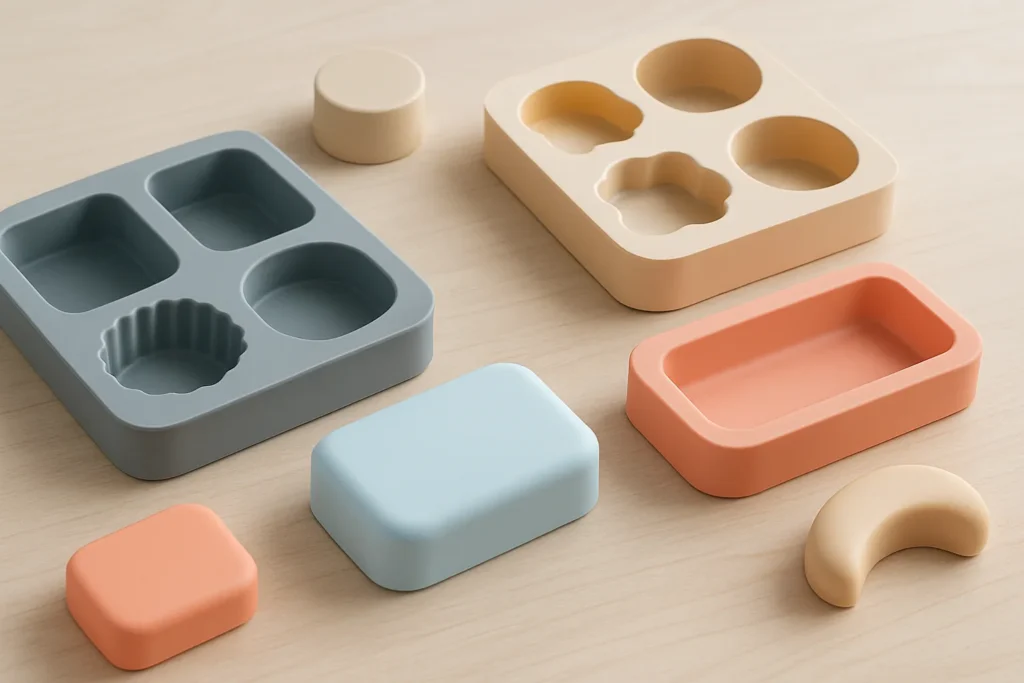
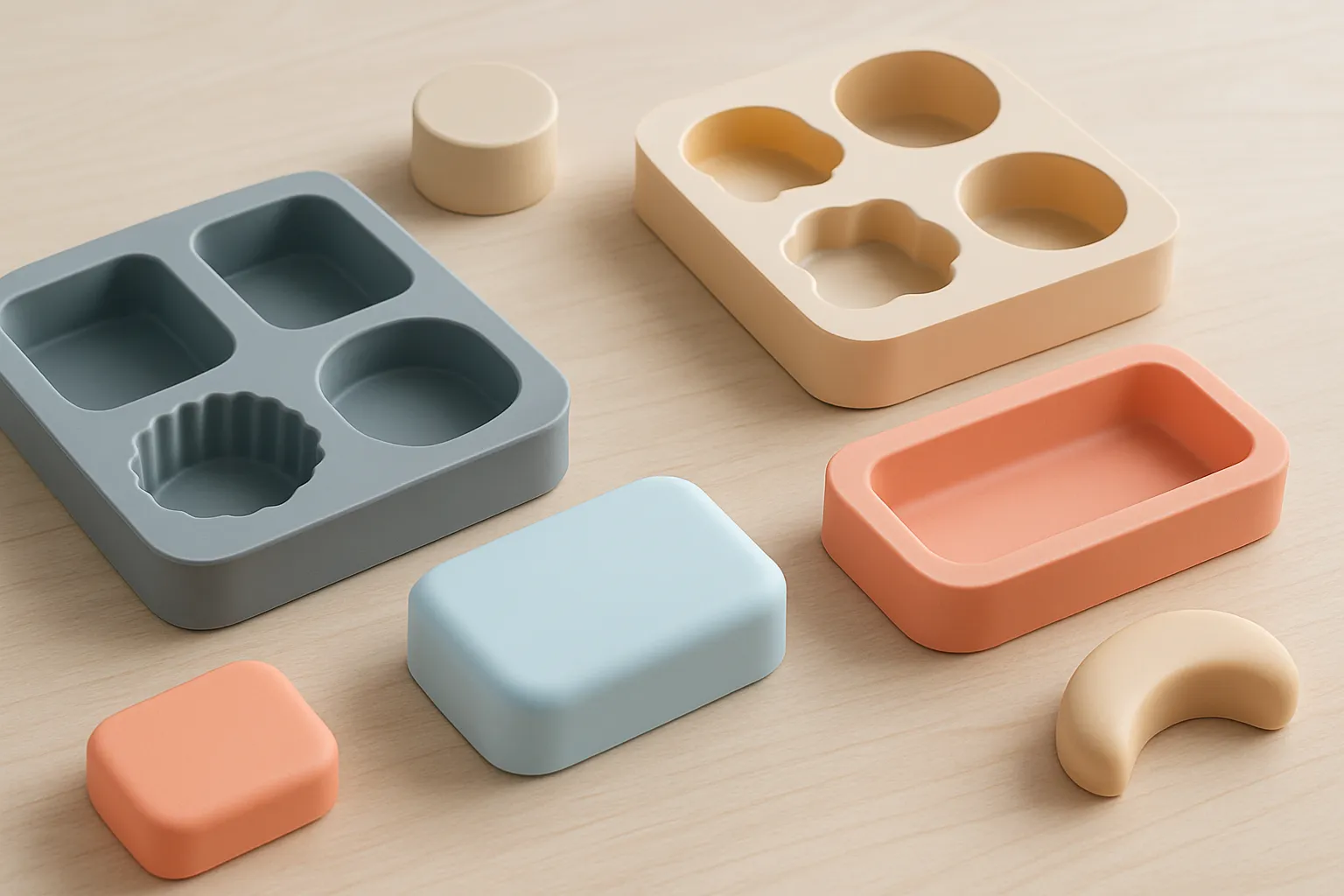
When considering custom silicone molds, several specifications are vital for effective product development.
– **Material Options**: Silicone is a highly versatile material recognized for its flexibility, heat resistance, and non-reactive nature. Depending on the application, businesses can select from various silicone grades, including food-grade, medical-grade, and high-temperature silicone. This versatility allows for a wide array of uses, spanning from kitchenware to industrial components.
– **Design Flexibility**: One of the most notable benefits of custom silicone molds is their design flexibility. Manufacturers can craft intricate shapes and detailed textures that would be difficult to achieve with traditional materials. This capability enhances aesthetic appeal and improves the functionality of the final product.
– **Durability and Longevity**: Silicone molds are celebrated for their durability. Unlike other materials that may degrade over time, silicone can endure repeated use without compromising its shape or performance. This longevity is particularly advantageous for businesses focused on producing bulk silicone products, as it minimizes the need for frequent replacements and ensures consistent quality.
Custom silicone molds find applications across various sectors, proving to be an invaluable resource for businesses eager to innovate.
– **Industries Benefiting from Customization**: Sectors such as food and beverage, healthcare, automotive, and consumer goods have embraced custom silicone molds. For instance, the food industry utilizes these molds to create unique baking trays and confectionery molds. The healthcare sector employs them for medical devices and components.
– **Examples of Bulk Silicone Products**: Common bulk silicone products include silicone bakeware, kitchen utensils, seals and gaskets, and even silicone-based electronic components. These products benefit significantly from the versatility and customization options that silicone molds provide.
– **Case Studies of Successful Implementations**: Companies that have successfully integrated custom silicone molds often report enhanced customer satisfaction and increased market share. For example, a kitchenware manufacturer that launched a line of custom silicone baking molds experienced a 30% uptick in sales, attributed to the unique designs that resonated with home bakers.
Evaluating the benefits of custom silicone molds necessitates a comparison with alternative materials.
– **Silicone vs. Plastic Molds**: While plastic molds are often more affordable and simpler to produce, they fall short in flexibility and heat resistance compared to silicone. Silicone molds can endure high temperatures and are less susceptible to warping, making them a superior option for numerous applications.
– **Cost Analysis**: Although the initial investment in custom silicone molds may exceed that of plastic alternatives, the long-term savings derived from their durability and reduced replacement costs can render silicone a more economical choice overall.
– **Performance Metrics**: Performance metrics such as heat resistance, chemical stability, and tensile strength often favor silicone molds. These attributes are critical for businesses that require reliable and high-quality products.
Identifying the right supplier for custom silicone molds is crucial for successful product development.
– **Finding Reliable Suppliers**: Businesses should perform thorough research to locate manufacturers with a solid reputation for producing high-quality silicone molds. Online directories, trade shows, and industry referrals can serve as excellent starting points.
– **Evaluating Manufacturer Capabilities**: When assessing potential suppliers, consider their production capabilities, quality control processes, and experience with custom designs. A manufacturer equipped with advanced technology and expertise can significantly influence the final product’s quality.
– **Understanding Minimum Order Quantities**: Many suppliers impose minimum order quantities (MOQs) for custom molds, which can vary considerably between manufacturers. Grasping these requirements is essential for effective budgeting and planning.
The implementation of custom silicone molds entails several critical steps.
– **Design Process Overview**: The design process typically commences with concept development, where businesses collaborate with manufacturers to establish detailed specifications and designs.
– **Prototyping and Testing**: After the design phase, prototyping is essential to evaluate the mold’s functionality and ensure it adheres to the desired specifications. This stage permits adjustments before full-scale production commences.
– **Scaling Production**: Upon approval of the prototypes, businesses can scale production to meet market demands. This phase necessitates effective project management to guarantee timely delivery and quality assurance.
**Frequently Asked Questions**
**What are the Lead Times for Custom Orders?** Lead times for custom silicone molds can vary based on complexity and manufacturer workload, typically ranging from a few weeks to several months.
**How to Maintain Silicone Molds?** Proper maintenance involves cleaning the molds after each use, avoiding harsh chemicals, and storing them in a cool, dry place to prolong their lifespan.
**Can Custom Molds Be Reused?** Yes, custom silicone molds can be reused multiple times, making them a cost-effective solution for businesses producing bulk silicone products.
In conclusion, custom silicone molds provide significant advantages for businesses aiming to enhance their product lines. With their design flexibility, durability, and ability to create tailored solutions, these molds are an essential tool in contemporary product development. By comprehending their specifications, sourcing effectively, and implementing them thoughtfully, companies can foster innovation and meet the demands of today’s market.